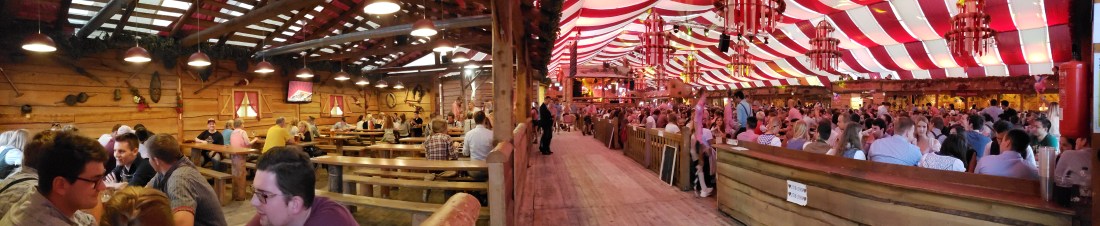
It’s hard to describe a German Volksfest because each visit can be so different, even from one day to the next. Many of the larger towns in southern and in northwestern Germany host one or more Volksfests each year, each lasting from one to three weeks.
Each Volksfest combines a large traveling carnival with a beer or wine festival and a celebration of the regional culture. Some are heavier on the Trachten (the traditional clothing), others not so much.
Depending on your interests, the experience can be like a county fair, like a boozy picnic, like an oldies concert or Schlager concert, like a beer tasting event, or like a Halloween party with old-timey costumes. The largest fest, Munich’s Oktoberfest, is focused on Bavarian culture and beer drinking. The biergarten originated in Munich, and each beer tent is like a biergarten protected from the rain, with a Schlager band or a brass band performing on a stage in the center.
Six years after I went to the Oktoberfest I went to the second largest fest, the Cannstatter Volksfest in Stuttgart. It’s more family-friendly, more of a big state fair and less of a beer festival. Cassie and I went on the Thursday and Friday before closing weekend. A surprising number of people, many of them young, were wearing Trachten on both days. We enjoyed both nights but really noticed a different vibe between the two. On Thursday people were there for the fair, on Friday people were there to drink.
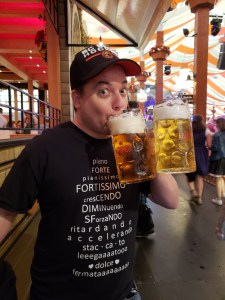 The experience can be whatever you want, and it attracts people of all ages. Each year about 6.5 million people visit the Munich Oktoberfest in mid September to early October, and 4.5 million visit the Cannstatter Volksfest, which starts a week later. About two-thirds of visitors are locals, with half the remainder from other states in Germany and the rest from foreign countries.
The first Cannstatter Volksfest was 200 years ago, in 1818. It was an agricultural festival celebrating the recovery from a widespread famine three years earlier.
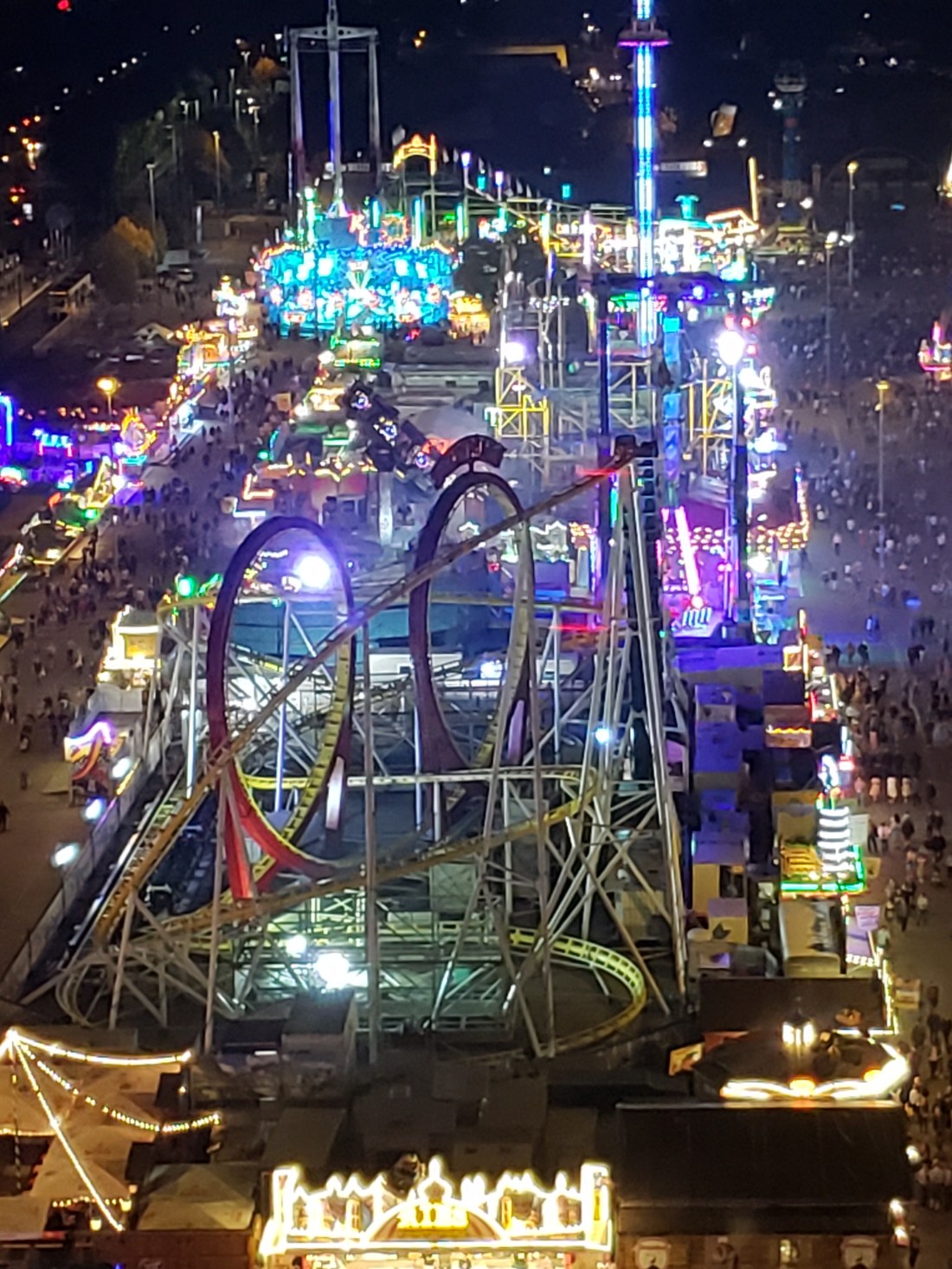
Cannstatter Volksfest

 Brian's Travel Blog